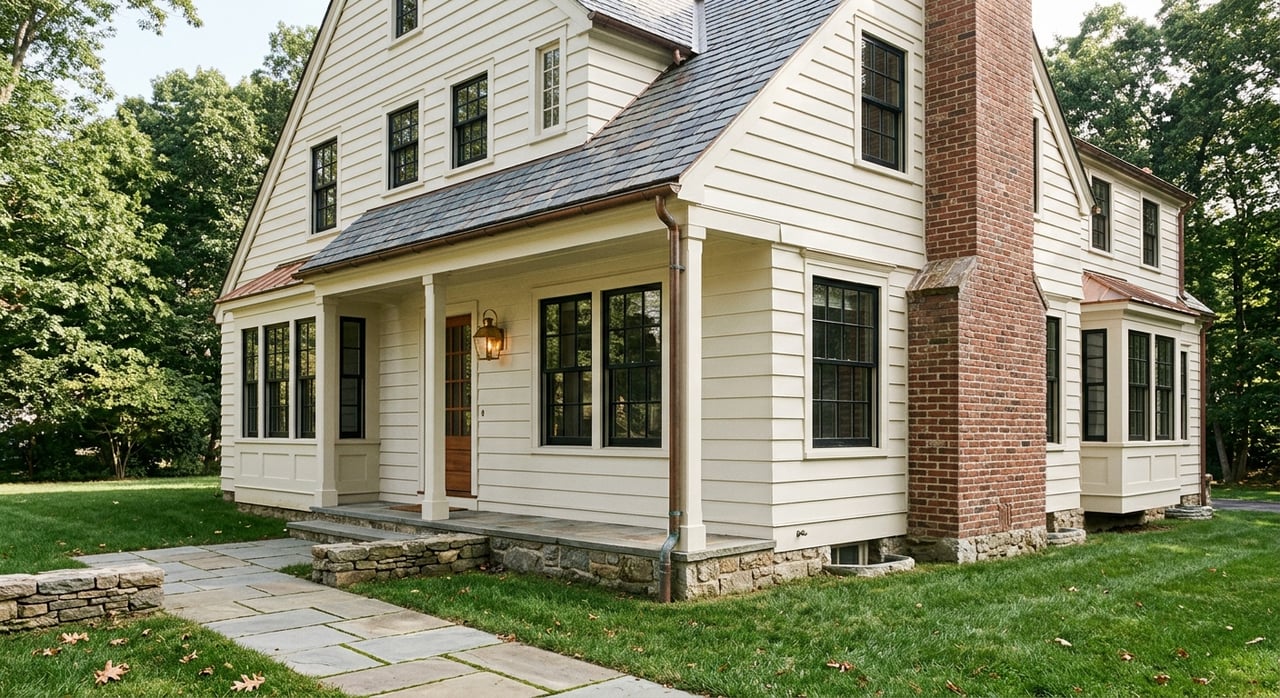
Bernardsville Historic Homes: What to Know Before You Buy
July 9, 2026
July 9, 2026
If you are drawn to older homes, Bernardsville offers something many towns do not: variety with real depth. You are not just looking at one style or one preserved block. You are exploring a layered housing story shaped by early village roots, railroad growth, and later estate development. That mix can make the search exciting, but it also helps to know what you are seeing and what ownership may involve. Let’s dive in.
Bernardsville began as Vealtown along Mine Brook in 1736, became Bernardsville in 1840, and changed again after railroad service arrived in 1872. That rail connection drew wealthy New Yorkers who bought land for summer residences in the hills north of town. As a result, the borough’s historic homes are not limited to one era or one layout pattern.
You can still feel that history today because downtown largely follows the footprint of the town from about 100 years ago. In practical terms, that means Bernardsville’s historic character is woven into daily life. It is part of the streetscape, not set apart from it.
The setting also matters. Bernardsville sits in a suburban-rural Highlands landscape with a mixed-use downtown center and a station on New Jersey Transit’s Gladstone Branch line. Many older properties reflect that setting through mature trees, broader setbacks, and a stronger connection to open land than you might expect in a denser town center.
Bernardsville offers several historic-home experiences at once. That is one reason buyers often find the town so compelling. Your search may lead you to a planned early-20th-century neighborhood, a home near the historic downtown pattern, or a larger estate-style property on wooded land.
One of the clearest historic residential areas is the Olcott Avenue Historic District. Local preservation materials describe it as the first street in town designed to appeal to merchants and entrepreneurs, with deed restrictions that helped shape a planned neighborhood of comfortable homes on a broad avenue.
The district developed roughly between 1899 and 1930 and includes 56 contributing buildings. These include homes as well as a school, church, parsonage, carriage houses, garages, and memorial plaques. For you as a buyer, that usually translates to a streetscape that feels cohesive and intentionally designed.
Some older homes in Bernardsville are tied more closely to the town’s earlier village and railroad-era development. Because downtown still reflects its historic footprint, older residential and mixed-use structures remain part of the borough’s central identity.
If you enjoy walkable, established surroundings and a strong sense of place, these homes may stand out to you. Their appeal often comes from how naturally they connect to the town’s long-standing layout and everyday activity.
Outside the village-style streets, Bernardsville also has a broader estate landscape shaped by the railroad era. As affluent seasonal residents built summer homes in the hills, larger properties with wooded acreage became part of the local pattern.
Historic estate properties may include outbuildings and landscape features in addition to the main house. One local example cited by the New Jersey Historic Trust describes a 19th-century house on 3.9 acres with a cottage, barn or garage, smoke house, and stone retaining wall, later updated with Colonial Revival and Craftsman details. If you are looking for privacy, land, and architectural character, this is an important part of Bernardsville’s historic housing story.
When you browse listings or drive through Bernardsville, a few styles are especially useful to recognize. Knowing the basics can help you understand what gives a home its character and what features may be worth preserving.
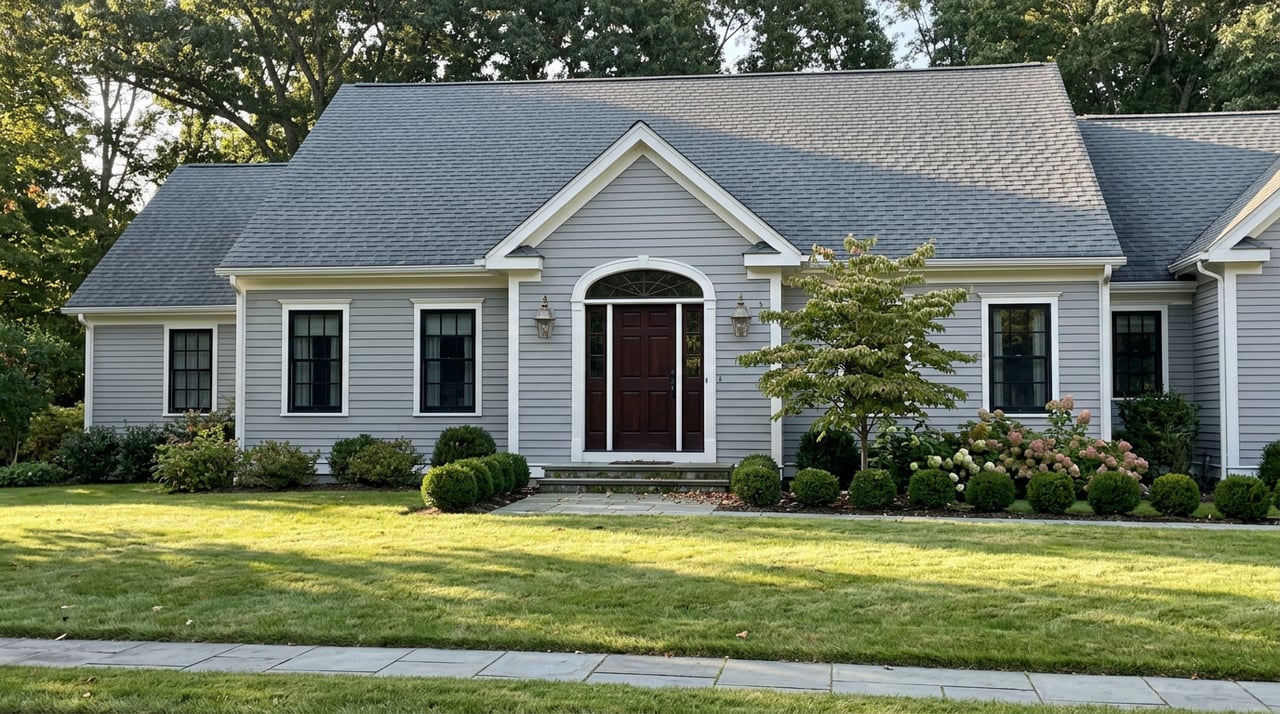
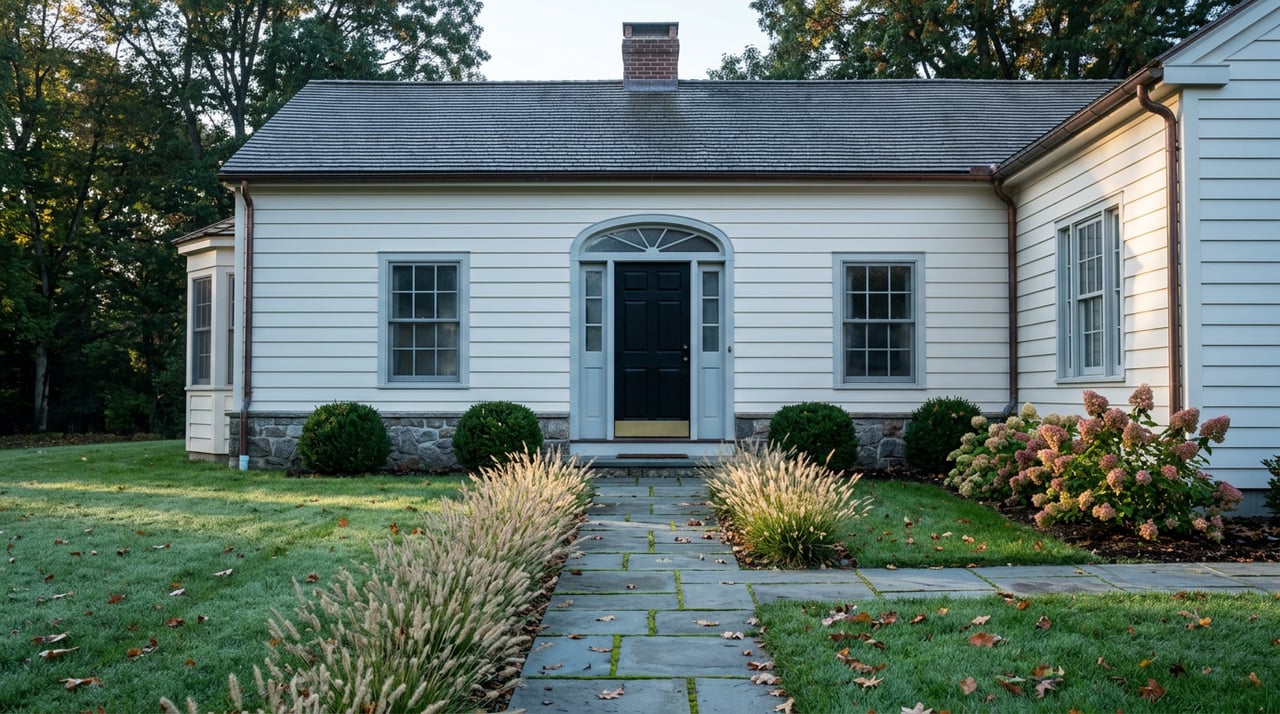
Colonial Revival homes in the Olcott district are often associated with symmetrical center-hall plans. You may notice balanced front facades and a more formal overall composition. These homes often read as classic and orderly from the street.
Tudor Revival homes are usually easier to spot at a glance. Common cues include steep roofs, front gables, and prominent chimneys. If a listing photo feels storybook-like or especially dramatic at the roofline, this style may be why.
Craftsman homes tend to emphasize natural materials, overhanging eaves, and open porches. Their appeal often comes from a grounded, welcoming look. These details can also create a strong indoor-outdoor connection.
Shingle-style homes often feature shingle cladding and asymmetrical facades. Eclectic Revival homes can blend influences in ways that make each property feel a little different. For buyers who value individuality, these homes can be especially interesting to explore.
Owning a historic home can be rewarding, but it usually comes with a different mindset than owning a newer property. Best-practice preservation standards focus on repair and retention rather than wholesale replacement. That means upgrades are possible, but they are generally approached with the goal of keeping character-defining features intact.
For many owners, the key is balancing comfort and function with respect for original materials. Mechanical, electrical, plumbing, and other code-related systems can be updated, but the most thoughtful work is usually the work that preserves what makes the house special.
Historic windows are often one of the first topics that comes up. National Park Service guidance notes that many historic windows have lasted more than 100 years and can often outlast replacements when maintained regularly. In many cases, repair is the first option worth considering.
If you are evaluating a home, it helps to look beyond whether the windows are simply old. The more useful question is whether they have been cared for and whether they remain functional within the home’s overall condition.
For homes with brick, stone, or other masonry features, proper maintenance matters. Preservation guidance recommends repointing deteriorated mortar with compatible material and correcting drainage issues before that work begins.
That is important because moisture problems can affect more than appearance. If you are considering an older home, pay close attention to grading, drainage, and signs of water movement around masonry surfaces.
Slate roofs deserve special mention because they can last a very long time. Preservation guidance states that properly installed slate can last 60 to 125 years or longer, and repair is preferred over replacement when possible.
That does not mean every older roof is problem-free. It means the material itself may still have real value if it has been maintained well. For buyers and sellers alike, roof condition should be reviewed with an eye toward both function and preservation.
Local process is an important part of buying or improving a historic property here. Bernardsville’s code assigns the Historic Preservation Advisory Committee several roles, including surveying historic sites, advising the Planning Board on preservation matters, and reviewing development applications in historic preservation districts or on historic sites.
Permit applications pertaining to historic sites are also referred to the committee for an advisory report to the Construction Official. For you, that means exterior changes, additions, or other visible alterations may require more coordination than they would on a non-historic property.
This does not mean historic ownership is off-limits or overly complicated. It simply means due diligence matters. Before planning major visible changes, it is wise to understand whether a property falls within a district or is tied to a recognized historic site.
Historic homes in Bernardsville sit within a relatively small, high-value market. In the current Realtor.com snapshot cited in the research, the borough had 31 homes for sale, a median listing price of about $1.65 million, and a median days on market of 41.
That data reflects the overall borough market, not historic homes alone, but it still gives useful context. You are shopping in a market with limited active inventory rather than a large pool of options. That can make historic-home searches feel selective, especially if you have a specific style, lot setting, or location in mind.
The preservation footprint helps explain that selectiveness. According to the Highlands Council, 502.2 acres, or 6.1 percent of Bernardsville Borough, fall within five recognized historic districts. Those districts include the Gladstone Branch railroad district, the Olcott Avenue Historic District, the New Jersey Brigade Encampment area within Morristown National Historical Park, Hardscrabble Road, and Pleasant Valley, also known as O-Wan-O-Massie.
If you are serious about exploring historic homes in Bernardsville, it helps to narrow your priorities early. Not every older home offers the same experience, even within the same town.
Here are a few useful questions to ask yourself:
The clearer you are on these points, the more focused your search becomes. Historic homes reward patience, but they also reward clarity.
Bernardsville stands out because it offers more than age alone. You get a town where history shows up in several forms, from early village fabric to early-20th-century revival homes to estate properties shaped by the railroad era.
That layered mix creates visual interest, but it also creates choice. Whether you are searching for architectural detail, a leafy setting, or a property with a long local story, Bernardsville gives you multiple ways to find it.
If you are thinking about buying or selling a historic home in Bernardsville, local guidance can make the process much smoother. The West Oak Team can help you evaluate the market, understand the character of different property types, and move forward with a strategy tailored to your goals.
Stay up to date on the latest real estate trends.


Experience a higher standard of service. We’ll guide you through every step with expertise, care, and clear communication.