You can love everything about Bernardsville and still wonder where you fit. Do you want sidewalks and coffee within a few blocks, or trees, acreage, and long-driveway privacy? You are not alone. In this guide, you will learn how Bernardsville really breaks down for buyers today, what typical homes and lots look like in each area, where prices tend to land, and what tradeoffs to weigh before you write an offer. Let’s dive in.
Market snapshot and what it means
Before you zoom in on a street, it helps to set expectations for price and ongoing costs.
- Bernardsville’s 2024 average residential sale price was about $1,246,766. The borough is small, and a single large estate sale can swing this number, so always look at multi‑year trends and how many sales were included in the average. You can review the state’s municipal table for context in the NJ Treasury sales report.
- A recent small-sample snapshot showed a median sale price near $1.06M in February 2026. Month-to-month medians can be volatile when only a few homes sell, so use this as a directional check rather than a rule.
- Monthly ownership costs run higher than many nearby towns. The borough’s housing plan reports a median monthly owner cost with a mortgage of about $3,441, and a large share of owners pay $3,000 or more per month. See the municipal summary in the Bernardsville Housing Element and Fair Share Plan.
The takeaway: Bernardsville ranges from modest in‑town homes to very large estates. Use medians, a 3 to 5 year window, and the number of sales behind any statistic to frame value.
How Bernardsville really maps out
Locals and agents often talk about Bernardsville in three practical submarkets. These are not rigidly named neighborhoods, but they reflect how buyers choose.
In‑town streets
Where it sits and lifestyle
- Close to the downtown corridor, Bernardsville Station, and the Olcott Avenue area. The Olcott Avenue Historic District sits just north of downtown, with early 20th‑century architecture and a classic street grid. Learn more about the area in the Bernardsville overview.
- Walkable access to shops, restaurants, The Bernards Inn, the local library at 1 Anderson Hill, and community services. See the library’s site for local resources and programming at the Bernardsville Public Library.
Homes and lots
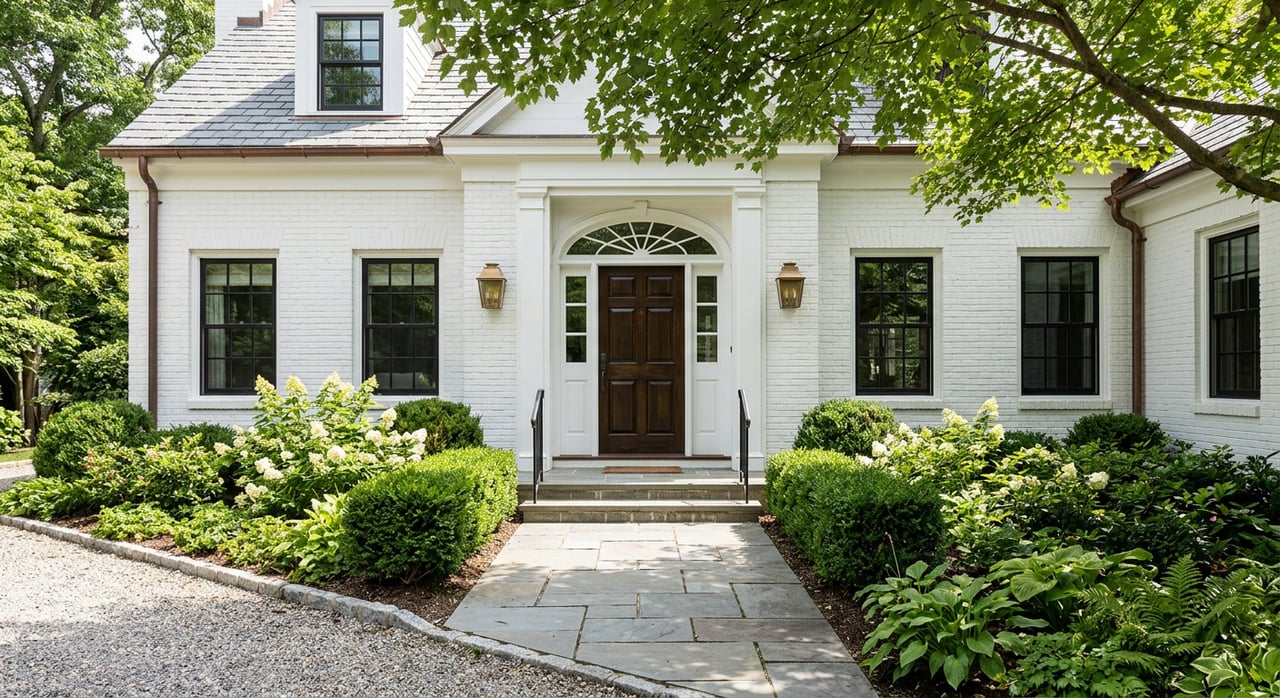
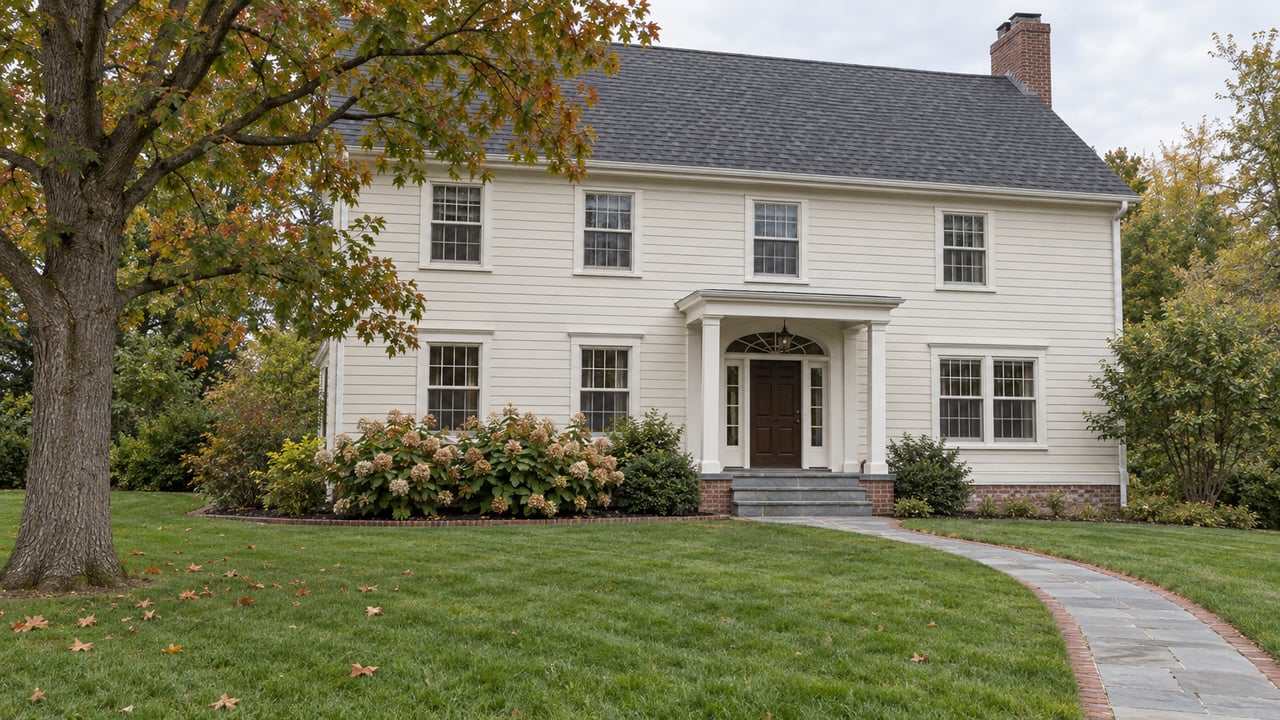
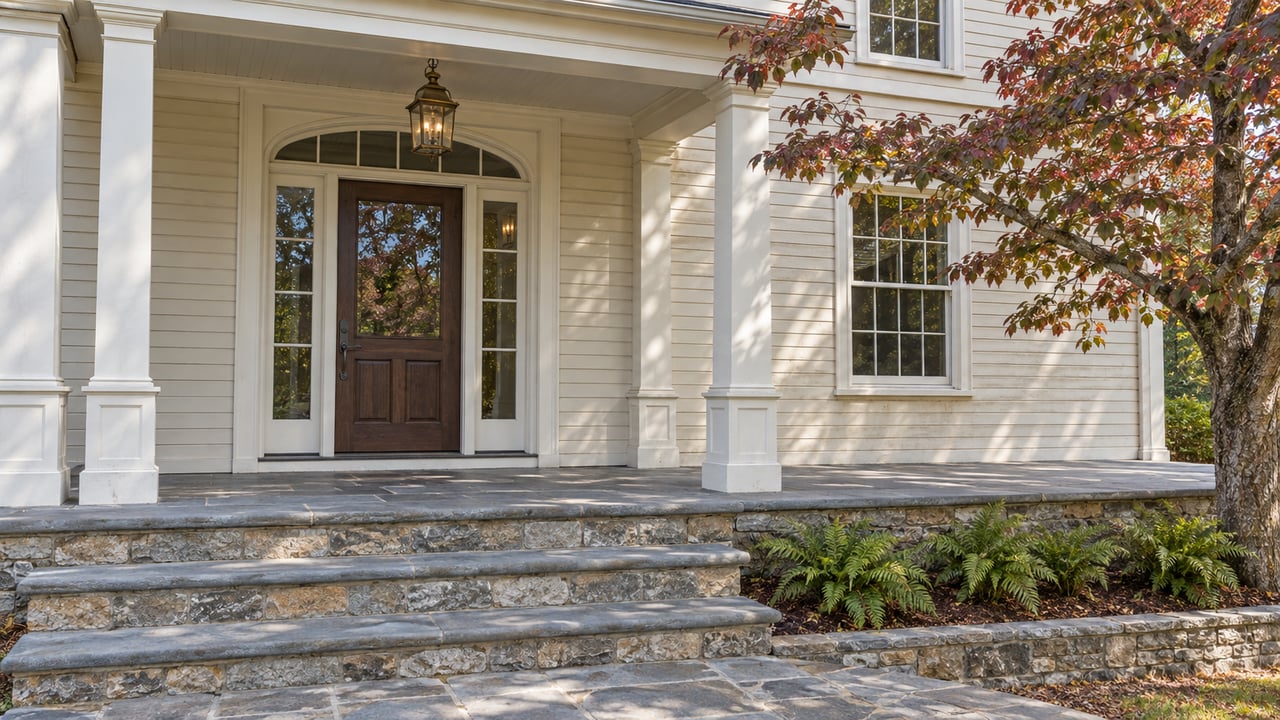
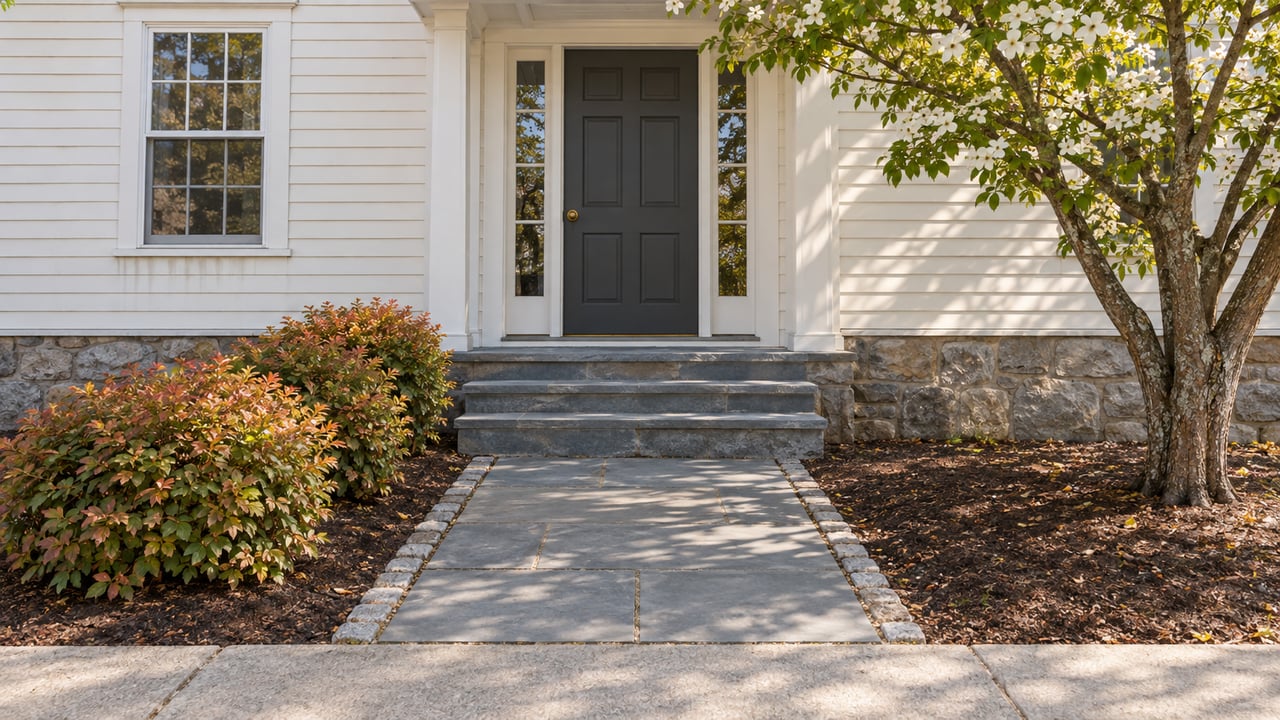
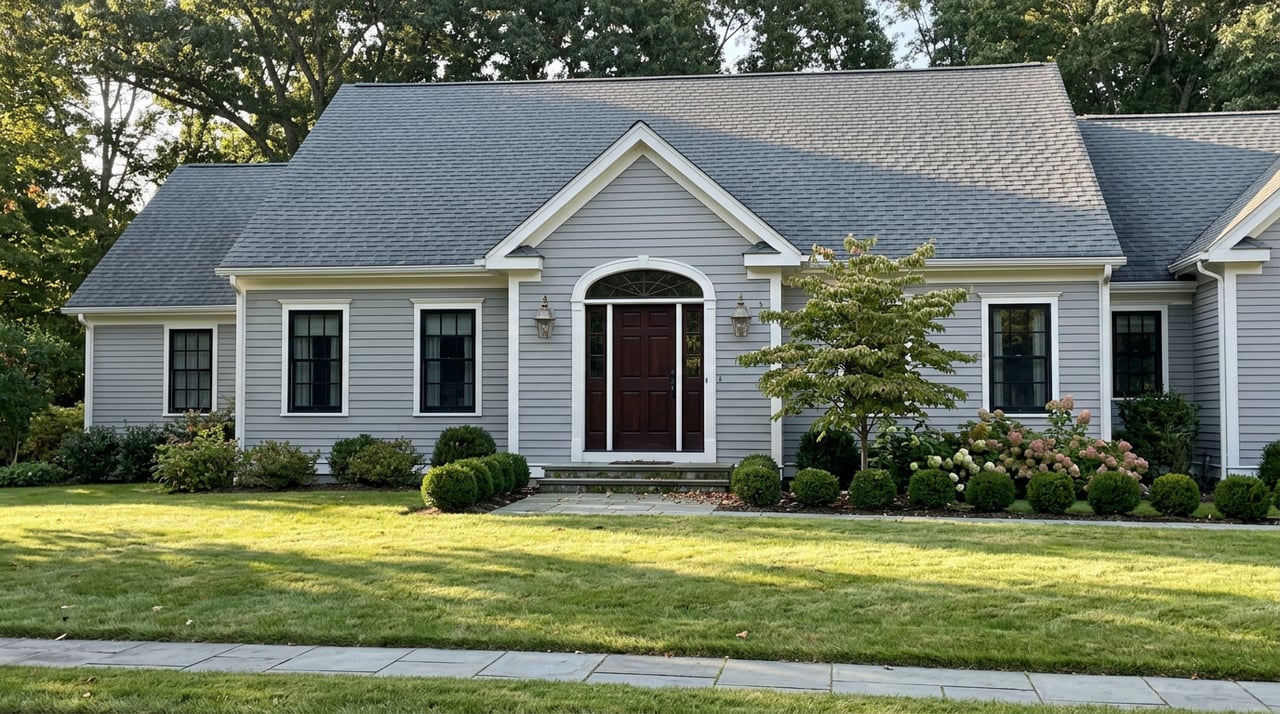
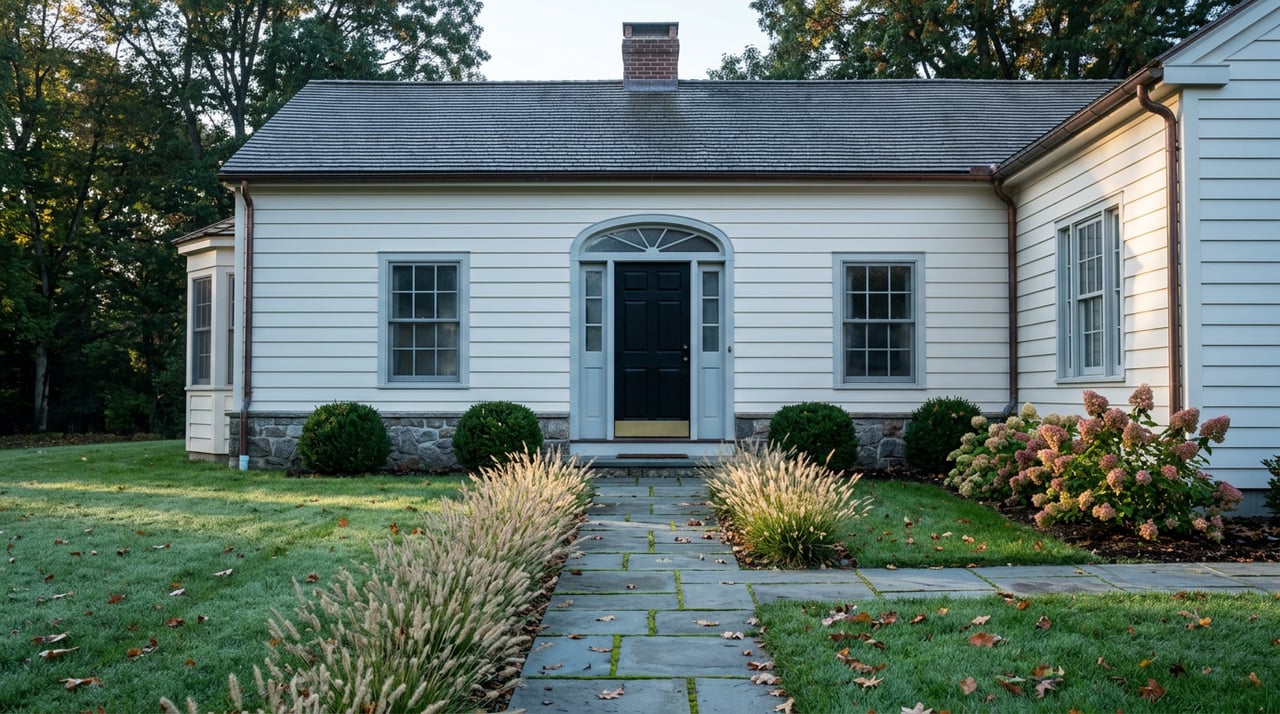
- Detached single‑family homes in Colonial Revival, Tudor, and early Craftsman or Shingle styles are common, especially within and around the historic district.
- Lot sizes typically run from small parcels of a few thousand square feet up to about 0.3 to 0.6 acre. Streets like Anderson Hill and Old Army Road show many sub‑acre lots and a broad mix of home sizes.
Typical pricing
- Expect a broad range, roughly $500,000 to $1.5M for most in‑town single‑family homes, with smaller or fixer properties near the lower end and renovated, turnkey homes pushing toward or past $1M. A recent example on Anderson Hill sat on about a third of an acre with a seven‑figure ask, while Old Army Road has seen sales from the mid‑six figures up to around $1.2M depending on size and finish.
Fit and tradeoffs
- Best fit if you want short walks, a quick ride to the station, and an easy routine. Tradeoffs include smaller yards, less privacy, and older mechanical systems to evaluate during inspections.
Hillside and mountain sections
Where it sits and lifestyle
Homes and lots
- Lots often start near 1 acre and run to several acres. You will see a wide age range, from early 20th‑century stone homes and former summer houses to mid‑century colonials and recent custom rebuilds.
- Parcels of 1 to 5 acres are common, with some larger properties mixed in.
Typical pricing
- Detached homes on 1 to 5 acres commonly appear in the $1.2M to $4M band depending on house size, renovations, and views. Select custom or renovated estates can exceed this range.
Fit and tradeoffs
- You gain privacy, trees, and space to breathe. Tradeoffs include longer drives to shops and schools, more landscape maintenance, and site details to vet. The borough’s planning documents highlight steep‑slope rules, stormwater requirements, and areas outside the public sewer service area. Review the municipal Housing Element with your attorney or engineer and budget time for a soils, septic, and slope evaluation.
Estate corridors and historic mansions
Where it sits and lifestyle
- Bernardsville was part of the Somerset Hills “mountain colony,” a Gilded Age retreat where New York financiers built grand country places. The legacy remains in long private lanes, large preserved parcels, and properties with significant history. For context on that commuter story, see the overview of the “Millionaires’ Express”.
Homes and lots
- Very large parcels are the norm, often 5 acres or more, with some tracts historically running 10 to 40 acres or beyond.
- Housing stock includes showpiece mansions, modern luxury rebuilds, and equestrian or amenity properties.
Typical pricing
- Pricing spans the multi‑million range. Many offerings land from the mid‑$2M level upward. Properties with exceptional acreage, provenance, or new construction elements can reach $8M to $10M+, though availability is limited year to year.
Fit and tradeoffs
- Ideal if you value privacy, a long approach, and room for amenities like guesthouses or stables. Tradeoffs include higher carrying costs, larger maintenance budgets, and a greater distance from the commercial core.
Key tradeoffs to weigh
Privacy vs walkability
- In‑town pockets around Olcott Avenue and the station offer the most walkability and convenience. Mountain and estate addresses deliver quiet and acreage, but most daily needs will be a drive away. As an illustration, a central address can score significantly higher on walkability than a hillside lane that may score in the single digits. You can explore an example walkability score at 8 Laurel Lane.
Commute decisions
- Bernardsville sits on NJ Transit’s Gladstone Branch, a long-standing commuter link to Hoboken with connections toward New York. Schedules and transfer patterns vary by day and time, so verify exact trains for your routine. The Bernardsville overview includes context on the station and the regional corridor.
Cost exposure beyond list price
- Factor property taxes, utilities for larger homes, private well and septic care where applicable, and insurance. Municipal data shows many owners pay $3,000 or more per month in total housing costs with a mortgage, with a median near $3,441. Review the borough’s Housing Element to set budgets with eyes wide open.
Environmental and regulatory checks
- Hillside and estate buyers should confirm sewer service area status, steep‑slope disturbance rules, tree protections, and stormwater requirements. These affect both feasibility and costs. Start with the municipal planning documents and add site‑specific studies during attorney review.
Historic districts and preservation
- Homes within the Olcott Avenue Historic District may be subject to design guidelines or review on exterior changes. Historic fabric can add storytelling value, but check what approvals are required. The Bernardsville page provides a starting point for the district’s history and location.
Inventory and pricing swings
- Bernardsville is a small borough. With only a few dozen annual sales, one large estate closing can push averages up for the year. Use multi‑year trends and confirm how many sales sit behind any average in the state’s annual sales table.
Amenities snapshot buyers ask about
- Dining and services cluster around the downtown and the Bernardsville Station. The Bernards Inn anchors a classic small‑town main street experience.
- The Bernardsville Public Library is a community hub with programs, digital resources, and events.
- Outdoor space is a hallmark. The Cross Estate Gardens and nearby trails offer gardens, history, and hiking minutes from many hillside addresses.
- Schools are served by the Somerset Hills Regional District, including Bernards High School. For boundaries and report information, consult the district or the Bernards High School overview.
How to choose your best fit
Use these steps to match your lifestyle, budget, and timeline.
- Define your daily rhythm
- List your must-haves: walking to coffee or the train, time to the office, yard size, and how much you value privacy versus proximity.
- Right-size the budget
- In addition to price, estimate monthly ownership costs. Use your lender’s numbers and add taxes, utilities, landscape or snow services, and well or septic maintenance if applicable. The borough’s median monthly owner cost of about $3,441 can provide a benchmark for planning.
- Focus your search map
- If walkability matters, start around Olcott Avenue, streets nearest downtown, and blocks close to the station. If space and quiet top your list, shift uphill to mountain sections and estate corridors.
- Check site and systems early
- For hillside and estate properties, request information on steep‑slope constraints, stormwater systems, septic capacity, driveway condition, and tree work. Budget for surveys and inspections early in the process.
- Balance vintage and renovation
- Many in‑town homes shine with early 20th‑century character, which may come with older roofs, wiring, or foundations to review. Newer or renovated homes reduce near‑term projects but command higher prices, especially on larger lots.
If you want a sounding board as you narrow your options, the West Oak Team brings decades of Somerset Hills experience to help you compare streets, weigh tradeoffs, and move with confidence.
FAQs
What are current home prices in Bernardsville?
- The 2024 average residential sale price was about $1,246,766, but small-sample markets can swing with a single estate sale, so use multi‑year trends and the NJ Treasury’s table for context.
How walkable are the in‑town streets of Bernardsville?
- Blocks around downtown and Olcott Avenue offer the highest walkability, with a station, shops, and the library nearby, while hillside and estate addresses are mostly car dependent; see an example at 8 Laurel Lane’s Walk Score page.
Does Bernardsville have commuter rail service to NYC?
- Yes, the borough is on NJ Transit’s Gladstone Branch to Hoboken with connections toward New York, and you should verify exact schedules and transfers for your commute on current timetables.
What should hillside or mountain buyers inspect first?
- Confirm sewer or septic status, steep‑slope and stormwater requirements, driveway and drainage conditions, and plan for a soils, septic, and survey review before firming up timelines.
Are there historic districts with design guidelines in Bernardsville?
- Homes in and around the Olcott Avenue Historic District may have exterior review or guidance, so check local requirements and factor timelines if you plan changes.
What lot sizes are common in estate corridors?
- Estate areas often feature 5 to 20 or more acres, with a small number of multi‑million dollar properties trading each year depending on acreage, improvements, and provenance.
What ongoing costs should I plan for beyond the mortgage?
- Budget for taxes, utilities for larger homes, landscape and snow services, well or septic maintenance where applicable, and insurance, noting the borough’s reported median monthly owner cost near $3,441 as a planning reference.